
Blog
Best DIY Miniature Kit for Beginners 2026: Easy Creative Guide

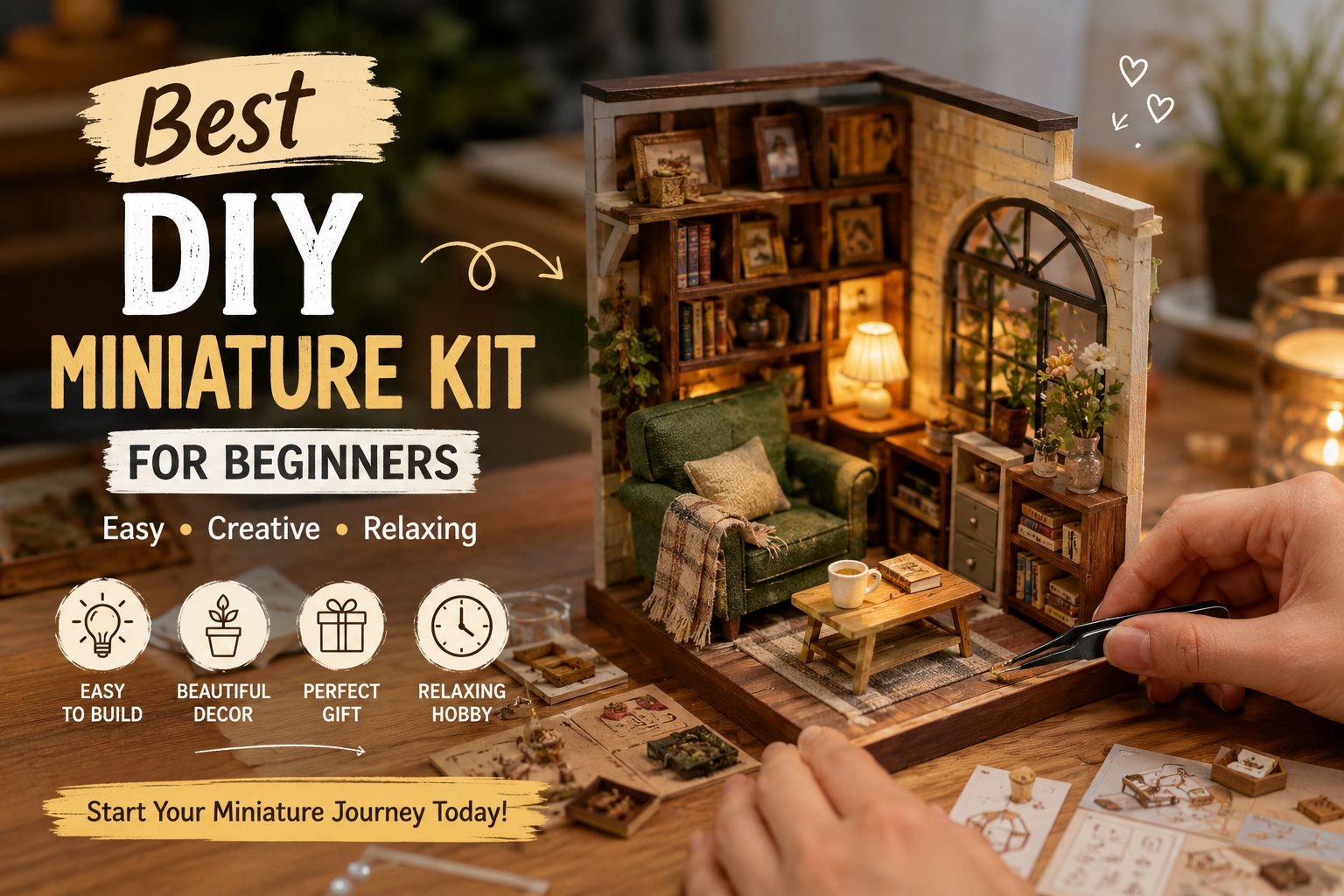
Best DIY Miniature Kit for Beginners 2026: Easy Creative Guide
A DIY miniature kit for beginners is one of the easiest ways to start building tiny rooms, cozy houses, cafés, flower shops, and decorative scenes without creating everything from zero. Instead of measuring, cutting, and sourcing each small piece separately, a beginner-friendly kit gives you the main parts, accessories, and instructions needed to complete your first miniature project with more confidence.
Miniature kits are popular because they offer both a relaxing activity and a beautiful final display. You build the scene step by step, then keep it as home decor, bookshelf decor, desk decor, or a thoughtful handmade-style gift. For beginners, the right kit should feel enjoyable, not stressful.
This guide explains how to choose the best DIY miniature kit for beginners in 2026, what features to check before buying, which styles are easiest to start with, and how to avoid common mistakes. If you already want to compare simple and creative designs, you can explore our DIY miniature kits and choose a project that matches your style and skill level.
Best DIY Miniature Kit for Beginners: What to Look For
The best DIY miniature kit for beginners should be simple enough to complete, but detailed enough to feel rewarding. A first kit should help you enjoy the process and understand how miniature scenes are assembled. It should not feel like a complicated engineering project.
A good beginner kit usually has a clear structure. The walls, floor, furniture, and decorative pieces should fit together logically. You should be able to understand the final scene before starting. If the design looks too crowded or has too many fragile accessories, it may be better for later.
Instructions are also important. A beginner-friendly kit should include step-by-step guidance, clear diagrams, and organized parts. When the instructions are confusing, even a simple kit can become frustrating.
The theme matters too. A cozy room, small café, flower shop, living room, bedroom, or reading corner is often easier to build than a complex multi-level house. Simple room designs usually have fewer structural challenges and still look beautiful when finished.
You should also check whether tools are included. Some kits may require glue, tweezers, batteries, scissors, or a small ruler. This is normal, but beginners should know what they need before starting.
The goal is not to choose the biggest kit. The goal is to choose a kit that gives a smooth first experience and a final display you actually want to keep.
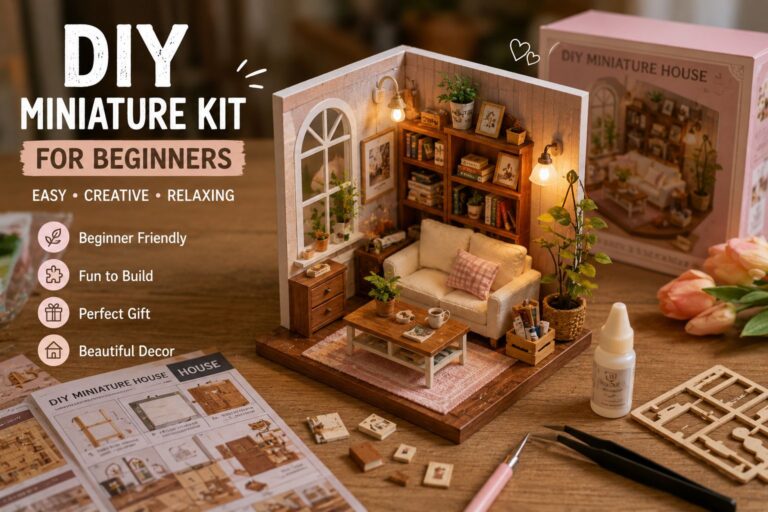
Choose a DIY Miniature Kit for Beginners by Style
Choosing a DIY miniature kit for beginners becomes easier when you start with style. The theme of the kit affects both the building process and the final display. Some styles are calm and simple, while others are more detailed and decorative.
Cozy room kits are usually excellent for beginners. They often include a small sofa, bed, table, bookshelf, lamp, rug, plants, and wall decor. These pieces are easy to understand because they resemble real rooms. The final result also works well as home decor.
Miniature café kits are another strong option. They can include tiny tables, chairs, cups, counters, windows, signs, and warm lighting. A café scene feels friendly and giftable, but beginners should choose one with a clean layout rather than too many tiny objects.
Flower shop kits are beautiful and decorative. They may include plants, shelves, small pots, display tables, and floral details. These kits can be slightly more delicate because of the small flower pieces, but many beginner-friendly versions are still manageable.
Miniature house kits can be good, but choose carefully. A full house may include several rooms, stairs, and many accessories. This can be fun, but it may be too long for a first project. A single-room kit or small house scene is usually safer.
Book nook-style miniature scenes are also useful for beginners who love bookshelves and reading corners. If the person prefers shelf decor, you can also compare book nook kits as a related option.
When choosing by style, ask yourself one simple question: would I enjoy looking at this finished scene every day? If the answer is yes, the building process will feel more motivating.
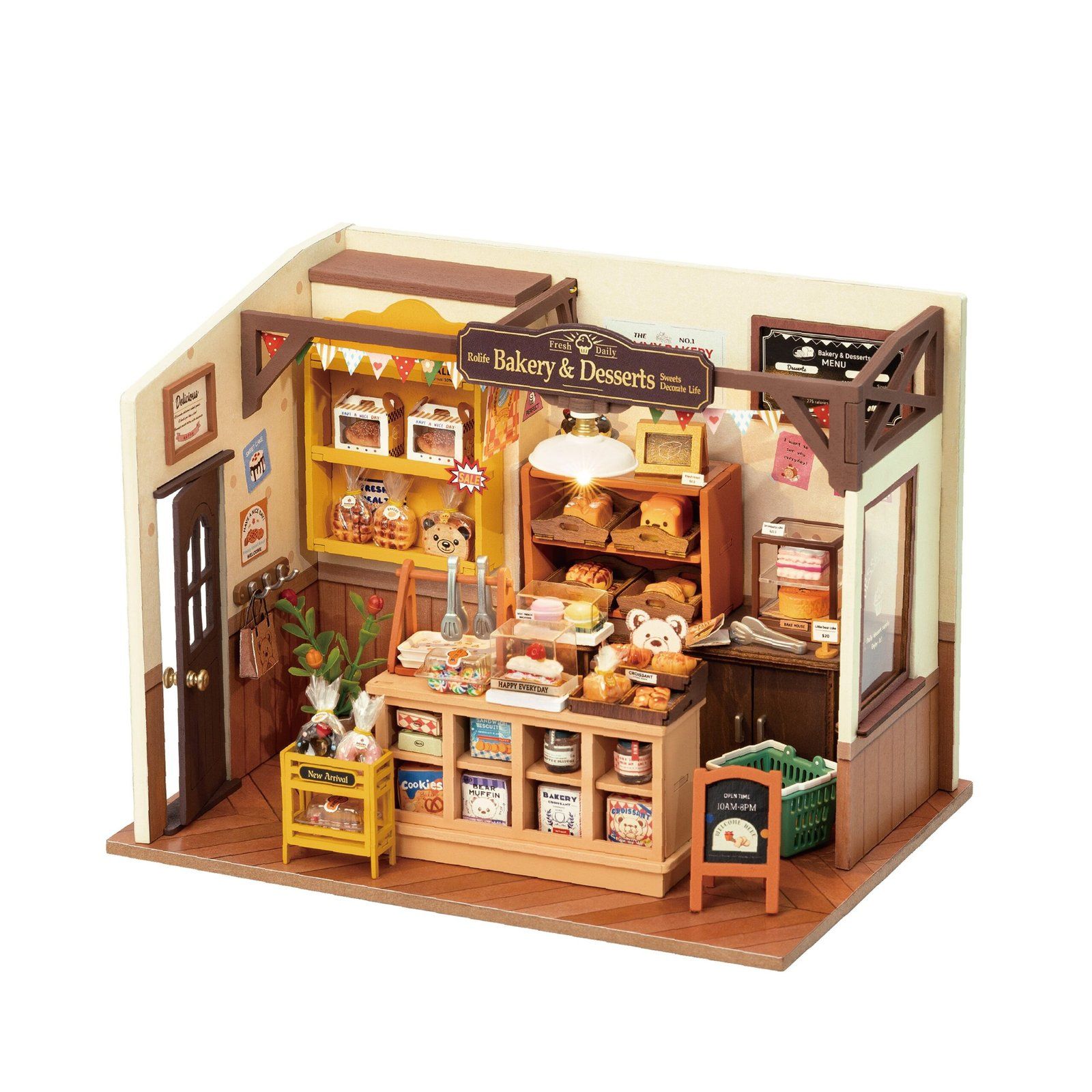
Becka’s Baking House Kit Miniature House
This DIY miniature kit is a strong choice for beginners who want an easy, creative, and relaxing first project. Its cozy room design, simple display style, and manageable details make it suitable for adults, craft lovers, and anyone starting their first miniature build.
Why DIY Miniature Kits Are Good for Beginners
DIY miniature kits are good for beginners because they give structure without removing creativity. You do not need to invent the full design, but you still get the satisfaction of building something with your own hands.
This balance is important. Starting from scratch can be intimidating because you need materials, tools, measurements, design ideas, and technical decisions. A kit reduces that pressure. It gives you the main elements and lets you focus on assembly, detail, and display.
Miniature kits also teach useful craft habits. You learn how to organize small parts, follow steps, handle delicate accessories, use glue carefully, and work with patience. These skills become easier with each project.
Another benefit is that the final result is decorative. Some crafts are enjoyable during the process but difficult to display afterward. A miniature kit gives you a finished scene that can sit on a shelf, desk, cabinet, or reading corner.
For adults, these kits can also be relaxing. They require attention, but not in the same way as work or screen-based tasks. The process can feel slow, focused, and calming.
This is why many people enjoy beginner DIY craft projects that combine creativity with a finished object. A miniature kit fits that idea well because it is both an activity and a display piece.
Start With a Simple Beginner Miniature Kit
For a first project, a simple room design is usually one of the safest choices. It gives you a clear layout and familiar objects. You can understand where the furniture goes, how the walls should look, and how the final scene should feel.
A small living room kit, bedroom kit, reading corner kit, or studio-style miniature room can be ideal. These designs are easier to follow because they do not usually require complex exterior structures or multiple levels.
Simple room kits also help beginners learn the basics. You may assemble a floor, walls, furniture, shelves, lamps, plants, books, and small accessories. These are the same types of steps you will see in more advanced kits later.
The advantage is that a room scene can still look impressive. A cozy chair, small table, warm lamp, bookshelf, and rug can create a beautiful miniature environment without being too difficult.
Avoid choosing a first kit that has too many tiny decorative pieces, complicated wiring, or a large structure. It is better to finish a simpler kit successfully than to abandon a difficult one halfway.
A first project should build confidence. Once you complete it, you can move to more detailed cafés, flower shops, houses, or larger miniature scenes.
Check the Difficulty Level Before Buying
Difficulty level is one of the most important things to check before buying a miniature kit. A product photo can make a kit look easy, but the assembly process may still require patience and precision.
Beginner kits usually have fewer pieces, larger components, and a clear structure. They may still include small details, but the main build should be manageable.
Intermediate kits often include more furniture, more decorations, lighting, and detailed accessories. These can be enjoyable after you have completed one or two simple kits.
Advanced kits may include several rooms, stairs, exterior facades, many tiny parts, detailed wiring, and long assembly times. These are not impossible for beginners, but they can be discouraging if the person has no craft experience.
When reading a product page, look for estimated assembly time, number of pieces, included tools, lighting details, and instructions. If the product description does not explain these basics, be careful.
Reviews can also help. If several buyers mention that the kit is hard to assemble, fragile, or confusing, it may not be the best first choice.
For beginners, the best choice is a kit that feels slightly challenging but not overwhelming. You want enough detail to enjoy the result, but not so much complexity that the project becomes stressful.
Look for Clear Instructions and Organized Parts
Instructions can make or break the beginner experience. Even a beautiful kit becomes difficult if the steps are unclear.
A good DIY miniature kit should include visual instructions, numbered steps, and organized parts. Diagrams are especially useful because miniature pieces can look similar. A beginner should be able to identify each part without guessing too much.
If the kit includes sheets of pre-cut pieces, labels are helpful. If the accessories are packed in small bags, they should be easy to separate. Organization saves time and reduces mistakes.
Before starting, it is smart to lay out the pieces and compare them with the instruction guide. This helps you understand the project before gluing anything.
Do not rush the first steps. Many problems happen when beginners glue pieces too early or skip the instruction order. Miniature kits often depend on sequence. One small mistake can make later steps harder.
Clear instructions are especially important if the kit includes lighting. Wires, LEDs, and battery boxes should be placed correctly before closing parts of the structure.
A beginner-friendly kit should guide you through the build, not force you to solve everything alone.d
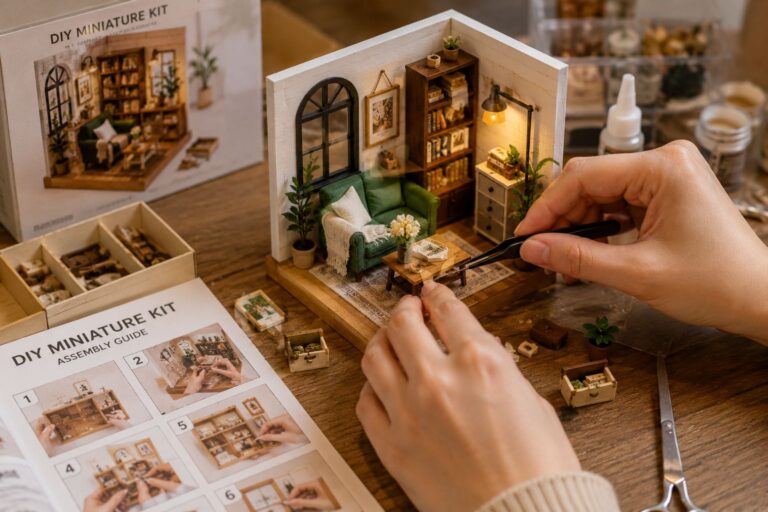
Decide Whether You Want Lights
Lighting can make a miniature kit look much more attractive. Warm LED lights can turn a simple room into a cozy display. They can highlight a lamp, window, café counter, flower shop, bookshelf, or reading corner.
However, lighting also adds one more step to the assembly process. For some beginners, this is fine. For others, it can feel intimidating.
If you choose a lighted kit, look for simple wiring and clear instructions. A single warm lamp or basic LED setup is easier than a complex lighting system with multiple wires.
The benefit of lighting is display value. A lighted miniature kit looks better in the evening and can feel more premium as decor. It is also stronger as a gift because the finished scene feels complete and atmospheric.
For beginners, a lighted kit is acceptable if the structure is otherwise simple. Avoid combining complex architecture with complicated lighting on your first project.
If you prefer the easiest possible start, choose a kit without lights or one with a very simple LED system. You can always try more advanced lighting later.
Choose the Right Size for Your Space
Size matters because the finished kit needs somewhere to go. Before buying, think about where you will display it.
A small room kit can sit on a desk, shelf, bedside table, or cabinet. A larger house kit may need more space. If you are buying as a gift, choose a size that is easy to display in most homes.
Check the product dimensions carefully. Look at height, width, and depth. Some kits look compact in photos but are deeper than expected.
For beginners, medium-small kits are often better. They are easier to handle, faster to finish, and less demanding during assembly.
A large kit can be impressive, but it may take many hours or several days to complete. That is fine for someone who enjoys detailed crafts, but not always ideal for a first project.
Display space should also match the theme. A cozy room or café can look good on a desk. A miniature house may look better on a shelf. A book nook-style kit belongs naturally between books.
The right size is the one that fits both your patience and your space.
Compare Materials and Build Quality
Materials affect how the kit feels during assembly and how it looks after completion. Many DIY miniature kits include wood, paper, fabric, plastic, acrylic, metal wires, LED parts, and small decorative accessories.
Pre-cut wooden pieces usually make the structure stronger. They help walls, floors, furniture, and frames stay stable. Clean cuts also make assembly easier.
Printed paper details can add realism to walls, floors, books, signs, and decorations. However, they should look clean and well-aligned. Poor printing can make the final display look cheap.
Fabric details such as pillows, blankets, curtains, and rugs can make a room feel warmer. These details are especially nice in cozy room and bedroom kits.
Small accessories add charm, but too many tiny items can make a beginner kit harder. A good design uses details with purpose. It should not feel cluttered.
Lighting components should be simple and safe to install. The battery box should be easy to access after assembly.
A quality kit does not need to be expensive, but it should feel stable, organized, and visually coherent. A beginner should not struggle because of weak materials or poorly fitted parts.
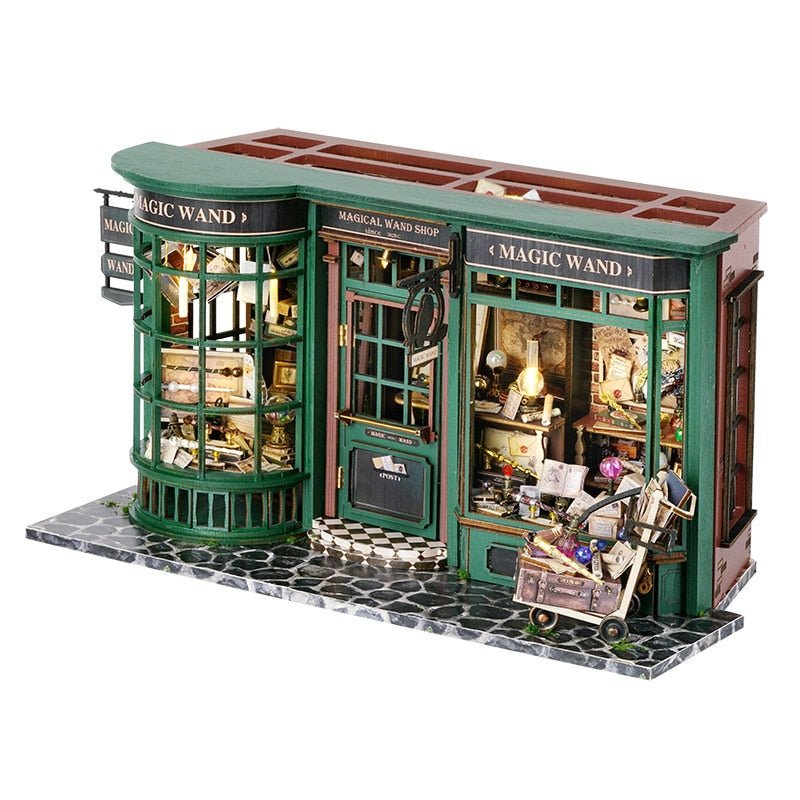
Magical Wand Shop Kit Miniature House
This DIY miniature kit is a beautiful choice if you want a cozy project with strong visual appeal. Its detailed room scene, warm display style, and creative miniature details make it ideal for beginners, gifts, and relaxing home decor projects.
Best DIY Miniature Kits for Beginners by Type
Some miniature kit styles are better for beginners than others. The right type depends on the person’s taste, patience, and display space.
Miniature Room Kits
Miniature room kits are one of the best starting points. They usually have a simple structure and familiar furniture. A living room, bedroom, reading room, or small studio scene is easy to understand.
These kits are good for learning basic assembly without too much pressure. They also look nice as home decor.
Miniature Café Kits
Café kits are warm and attractive. They often include tables, chairs, cups, shelves, plants, windows, and signs. They feel creative and giftable.
For beginners, choose a café kit with a clean layout. Avoid one with too many tiny food pieces or complicated counters if it is your first project.
Flower Shop Miniature Kits
Flower shop kits are beautiful and decorative. They can include tiny plants, pots, shelves, tables, and floral displays.
They may require patience because flowers and plants can be delicate. Still, many flower shop kits are manageable for beginners if the structure is simple.
Miniature House Kits
Miniature house kits can be very rewarding, but they vary in difficulty. A small one-room house or compact cabin is better for beginners than a large multi-room house.
Full dollhouse-style kits can take longer and may be better for intermediate builders.
Book Nook and Shelf Insert Kits
Book nook kits are miniature scenes designed for bookshelves. They are great for people who love reading, books, and shelf decor.
If you want a related beginner project, you can read our guide to beginner-friendly book nook kits.
How Long Does a Beginner Miniature Kit Take?
The time needed depends on the kit size, number of pieces, lighting, and your pace. Simple beginner kits may take a few hours. More detailed kits can take several sessions.
It is better not to rush. Miniature building rewards patience. If you try to finish too quickly, glue can become messy, pieces may not align, and small details can be damaged.
A good approach is to divide the project into stages. First, organize the pieces. Then assemble the main structure. After that, build furniture. Finally, add decorations and lighting.
For beginners, working in short sessions is often better than trying to finish everything at once. A calm pace makes the experience more enjoyable.
If the kit is a gift, make sure the recipient has time and interest for the project. A detailed kit is thoughtful only if the person will enjoy the building process.
The best miniature kit is not the one that finishes fastest. It is the one that gives a satisfying process and a final result worth displaying.
Tools You May Need for Your First Kit
Some kits include most of the needed tools, while others require extra items. Always check the product description.
Common tools include glue, tweezers, scissors, a craft knife, ruler, and batteries for lights. Tweezers are especially useful because many parts are small.
Glue should be used carefully. Too much glue can make the final scene messy. A small amount is usually enough.
A clean workspace also helps. Use a flat table, good lighting, and small containers to organize pieces. Keep the instruction booklet nearby and do not throw away packaging until the project is complete.
If the kit includes paper pieces, cut them slowly and accurately. If it includes wooden sheets, remove pieces carefully to avoid breaking small parts.
Beginners do not need a professional craft setup. A few simple tools and a patient approach are enough for most starter kits.
Common Beginner Mistakes to Avoid
The first common mistake is choosing a kit that is too advanced. A large house or highly detailed shop may look exciting, but it can be frustrating for a first project.
The second mistake is not checking dimensions. The finished kit needs a place to sit. Always check the size before buying.
The third mistake is ignoring tools. If glue, batteries, or tweezers are required, prepare them before starting.
Another mistake is rushing the assembly. Miniature kits need slow work, especially when gluing furniture, placing small accessories, or installing lights.
Some beginners also skip instructions and try to guess the build order. This can cause problems later. Follow the guide step by step, especially for structural pieces.
Poor organization is another issue. Small parts can be lost easily. Before starting, separate pieces by type and keep them in small containers or bags.
Finally, do not expect perfection on your first kit. Small imperfections are normal. The goal is to learn, enjoy the process, and finish a display you like.
DIY Miniature Kit vs Book Nook Kit
DIY miniature kits and book nook kits are related, but they are not exactly the same.
A DIY miniature kit usually creates a small room, house, shop, café, garden, or decorative scene. It can be displayed on a desk, shelf, cabinet, or table.
A book nook kit is a specific type of miniature scene designed to fit between books. It usually has a narrow vertical frame and is made for bookshelf display.
Both are creative DIY projects. The choice depends on how you want to display the finished piece.
Choose a miniature room or house kit if you want a small decor object for a desk or shelf. Choose a book nook kit if you want a scene that becomes part of a bookshelf.
If you are still deciding between both, read our guide on how to choose the right kit. It can help you compare style, difficulty, lighting, and display value.
For many beginners, either option can work. The best choice is the one that fits your space and interests.
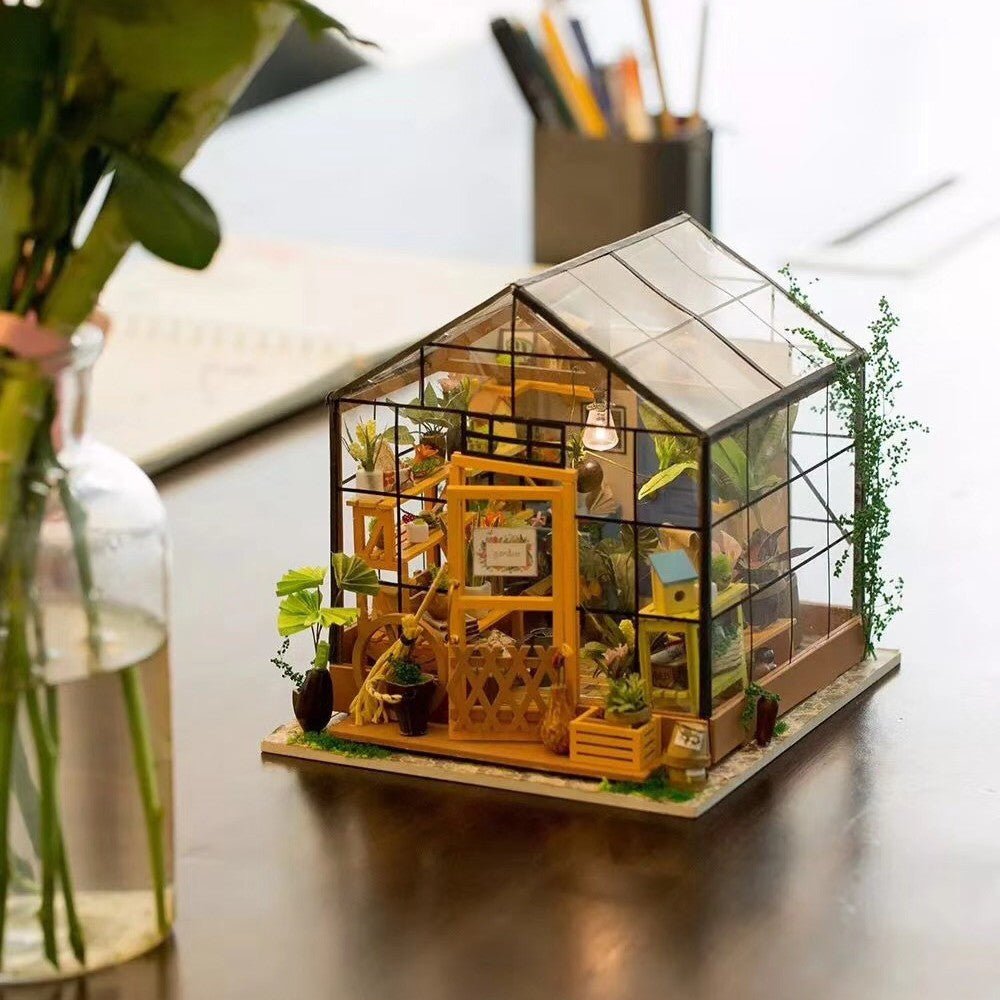
Cathy’s Flower House Kit Miniature House
This DIY miniature kit is a versatile choice for anyone who wants a creative, relaxing, and display-ready project. Its cozy miniature style makes it a thoughtful gift for adults, craft lovers, and beginners who want a beautiful piece of home decor after assembly.
Helpful Guides Before Starting Your First Kit
Before buying your first kit, it helps to compare different types of DIY projects. Some people prefer miniature rooms, while others prefer shelf inserts or book-themed scenes.
If you love books and want a shelf display, explore our book nook kits. These kits are close to miniature kits but designed specifically for bookshelves.
If you want a broader overview of styles, tools, and selection tips, read our complete DIY guide. It explains how different creative kits work and how to choose the right one.
If you are buying a gift for someone who loves books, our beginner-friendly book nook kits guide can also help you choose a simple first project.
These guides make the buying decision easier because they help you match the project to the person, the space, and the desired difficulty level.
Ready to Start Your First DIY Miniature Kit?
Ready to Start Your First DIY Miniature Kit?
Explore beginner-friendly miniature kits, cozy room designs, and creative DIY projects made for relaxing building, thoughtful gifts, and beautiful home decor.
Explore DIY Miniature KitsFrequently Asked Questions
What is a DIY miniature kit for beginners?
A DIY miniature kit for beginners is a small craft kit designed to help new builders create a miniature room, house, café, shop, or decorative scene. It usually includes pre-cut pieces, accessories, and instructions.
Are DIY miniature kits hard to build?
Beginner kits are usually manageable if you follow the instructions carefully. The difficulty depends on the number of pieces, lighting, size, and detail level.
What is the best miniature kit for a beginner?
The best beginner kit is usually a simple room, café, flower shop, or small house design with clear instructions and a stable structure. Avoid very large or highly detailed kits for your first project.
Do miniature kits include tools?
Some kits include basic tools, while others may require glue, tweezers, scissors, or batteries. Always check the product description before buying.
How long does it take to finish a DIY miniature kit?
Simple kits may take a few hours, while detailed designs can take several sessions. Beginners should work slowly and avoid rushing the process.
Are DIY miniature kits good gifts?
Yes, they can be thoughtful gifts for adults, craft lovers, book lovers, and people who enjoy cozy home decor. Choose a beginner-friendly design if the person is new to miniature projects.
Can adults enjoy miniature kits?
Yes. Many DIY miniature kits are designed for adults and older beginners. They can be relaxing, creative, and decorative after completion.
Final Thoughts
A DIY miniature kit for beginners should be easy to understand, enjoyable to build, and beautiful enough to display. The best first kit is not necessarily the largest or most detailed one. It is the kit that gives a smooth creative experience and a final scene you feel proud of.
Start with a simple room, café, flower shop, or small house design. Check the difficulty level, instructions, tools, materials, size, and lighting before buying. These details can make the difference between a relaxing project and a frustrating one.
Miniature kits are a strong choice for beginners because they provide structure while still allowing creativity. You get to build a small world with your hands, then keep it as decor or give it as a thoughtful gift.
Once you finish your first project, you can move toward more detailed miniature houses, lighted room scenes, flower shops, cafés, or book nook shelf inserts. Each kit builds your confidence and improves your craft skills.
If you want a relaxing and creative starting point, choose a beginner-friendly miniature kit that matches your style, your space, and your patience level.